Experimental, AI‑assisted, data‑driven methodologies integrated into engineering platforms and supported by semiconductor, statistical, machine‑learning, and deep‑learning technologies to optimize semiconductor manufacturing across process, device, and yield development. The following are the key components of my work on AI‑Driven Engineering Platforms:
- AI-assisted software: AI-agent
- AI-assisted data analysis: yield analysis enabling yield-aware design and yieldable process/device
- Machine Learning: PCA, SVM, Bayesian Optimization
- Deep Learning: time-series data
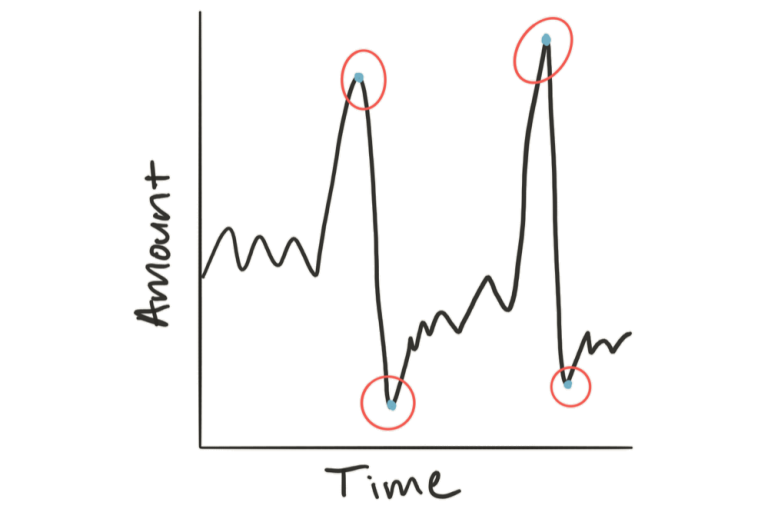
- Statistical data analysis: Gaussian, Poisson, Order statistics, Extreme Value Distribution
- (Semiconductor) Technology-based analysis: Device physics, Small circuit simulation, Error propagation, Monte Carlo Simulation, DOE/RSM, Split-CV, Dielectric Conduction, Variability, BKM management, Soft/hard yield
- Full-stack web platform using WordPress, Flask, or Next.js
The motivation for technology convergence that integrates semiconductor technology with data science is that this convergence is essential for technology-aware software that enables:
- Advancing semiconductor technology
- Improving engineers’ productivity
- Creating a more fulfilling work environment.
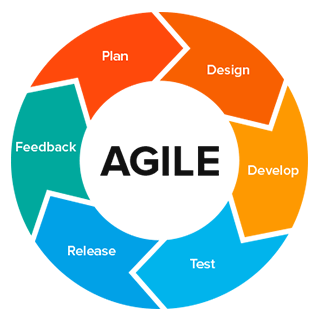
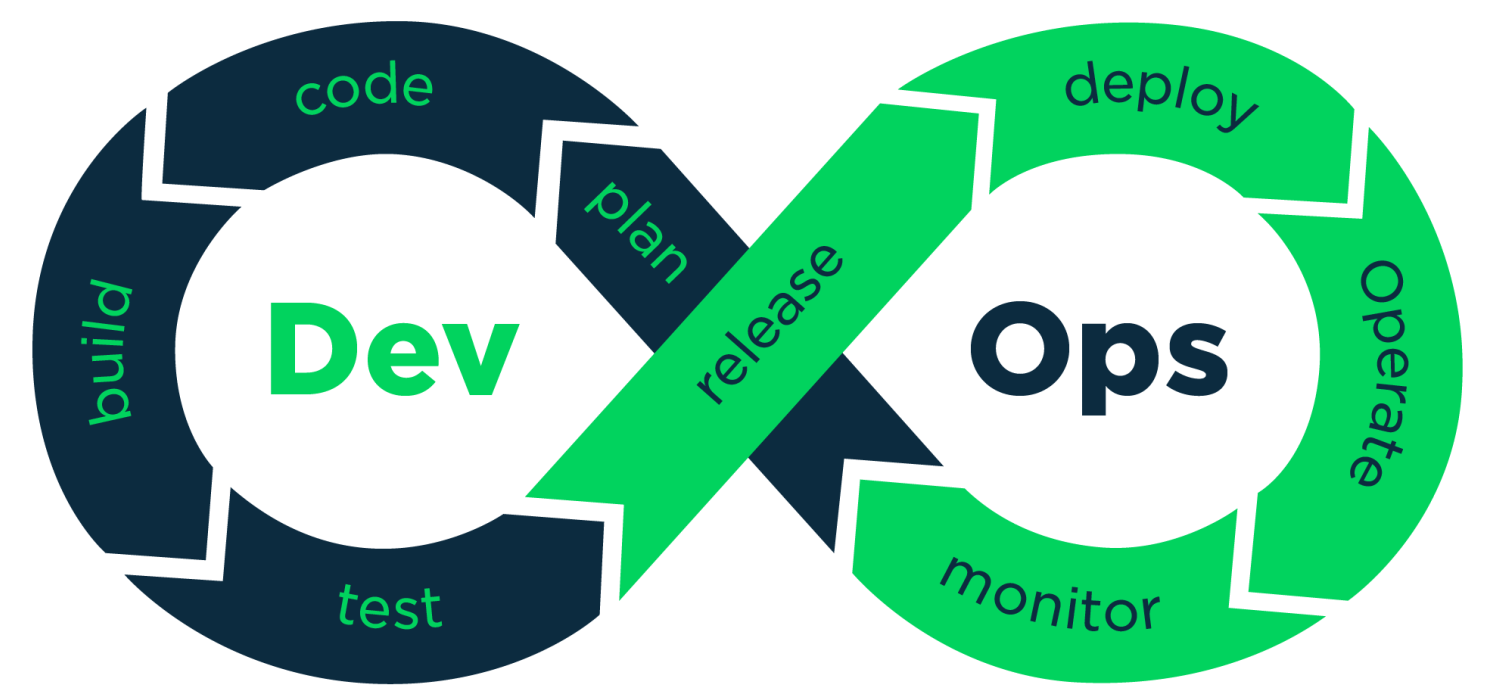
A technology‑aware software engineer can deliver this integration effectively, since domain‑aware development fits well with Agile and DevOps practices.
A technology‑aware software tool provides several key benefits:
- Helps engineers quickly learn the legacy knowledge from previous technologies
- Enables engineers to absorb leading‑edge technology more effectively
- Speeds up computational workflows
- Ensures work is performed in a standardized manner
- Standardizes data by serving as a de facto specification
- Needs continuous improvement as the technology evolves, with pros and cons.
Applied Statistics
AI-assisted Semiconductor Development ….
Related Posts below (or view All Articles)
Categories = “Data Science, AI-powered, Applied Statistics”
By Wolf
Created: 2026.04.04 | Modified: 2026.04.17
Categorical Inference Bias in AI/ML: Stage-by-Stage Cause, Countermeasure, and Recommendation When an AI/ML model yields systematically different inference results for certain categories—for example, a facial recognition system that misidentifies people…
Read More →By Wolf
Created: 2026.04.04 | Modified: 2026.04.17
Time Series Vectorization vs. Embedding 🔍 1. Time Series Vectorization (벡터화) 2. Time Series Embedding (임베딩)
Read More →By Wolf
Created: 2026.02.04 | Modified: 2026.02.04
[Gemini] When comparing Apache Kafka (a distributed streaming platform) and Redis Sorted Sets (an in-memory data structure used as a queue), the choice depends on whether you prioritize durability and…
Read More →By Wolf
Created: 2026.01.12 | Modified: 2026.01.14
Design of Experiments (DOE) is a systematic, mathematical approach used to understand and optimize the relationship between input factors and output responses [1]. It is a branch of applied statistics…
Read More →By Wolf
Created: 2026.01.12 | Modified: 2026.01.12
1. Classical DOE (Fisherian DOE) These are foundational experimental designs used for screening, modeling, and optimization. Key Methods 2. Taguchi Method (Robust Design) Focuses on robustness and minimizing variation due…
Read More →By Wolf
Created: 2026.01.12 | Modified: 2026.01.12
A Design of Experiments (DOE) framework is a structured, statistical approach used to plan, conduct, and analyze controlled tests [1]. Its primary goal is to determine which factors (inputs) influence…
Read More →By Wolf
Created: 2025.11.02 | Modified: 2025.11.02
The abbreviations DX and AX most commonly refer to business concepts related to digital initiatives and customer/employee interactions, where ‘X’ is often used to stand for Experience or Transformation. Here…
Read More →By yRocket
Created: 2025.10.26 | Modified: 2025.10.27
https://probml.github.io/pml-book Book 0: “Machine Learning: A Probabilistic Perspective” (2012) See this link Book 1: “Probabilistic Machine Learning: An Introduction” (2022) See this link Book 2: “Probabilistic Machine Learning: Advanced Topics” (2023) See this…
Read More →By yRocket
Created: 2025.10.21 | Modified: 2026.03.21
Leading Companies These are generally established players in EDA (Electronic Design Automation), semiconductor manufacturing, or yield management software who have integrated AI/ML capabilities. Emerging Companies These companies might be newer,…
Read More →By yRocket
Created: 2025.10.21 | Modified: 2025.10.21
TSMC leverages Artificial Intelligence (AI) across various stages of developing and manufacturing its advanced FinFET (N3 family) and Gate-All-Around (GAA, implemented as nanosheet transistors in N2, A16, A14) technologies. Here’s…
Read More →By yRocket
Created: 2025.10.21 | Modified: 2025.12.23
Summary of the demo Why this approach works Practical production workflow
Read More →By yRocket
Created: 2025.10.21 | Modified: 2025.10.22
🔹 Problem Setup 🔹 1. Collect Data 🔹 2. Example Dataset Format ΔVtn (mV) ΔVtp (mV) ΔL (nm) Vdd (V) Temp (°C) SNM (mV) -30 +20 1.2 0.9 25 180…
Read More →