
Experimental, AI‑assisted, data‑driven methodologies integrated into engineering platforms and supported by semiconductor, statistical, machine‑learning, and deep‑learning technologies to optimize semiconductor manufacturing across process, device, and yield development. The following are the key components of my work on AI‑Driven Engineering Platforms:
- AI-assisted software: AI-agent
- AI-assisted data analysis: yield analysis enabling yield-aware design and yieldable process/device
- Machine Learning: PCA, SVM, Bayesian Optimization
- Deep Learning: time-series data
- Statistical data analysis: Gaussian, Poisson, Order statistics, Extreme Value Distribution
- (Semiconductor) Technology-based analysis: Device physics, Small circuit simulation, Error propagation, Monte Carlo Simulation, DOE/RSM, Split-CV, Dielectric Conduction, Variability, BKM management, Soft/hard yield
- Full-stack web platform using WordPress, Flask, or Next.js
The motivation for technology convergence that integrates semiconductor technology with data science is that this convergence is essential for technology-aware software that enables:
- Advancing semiconductor technology
- Improving engineers’ productivity
- Creating a more fulfilling work environment.
A technology‑aware software engineer can deliver this integration effectively, since domain‑aware development fits well with Agile and DevOps practices.
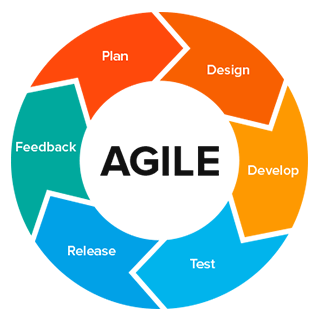
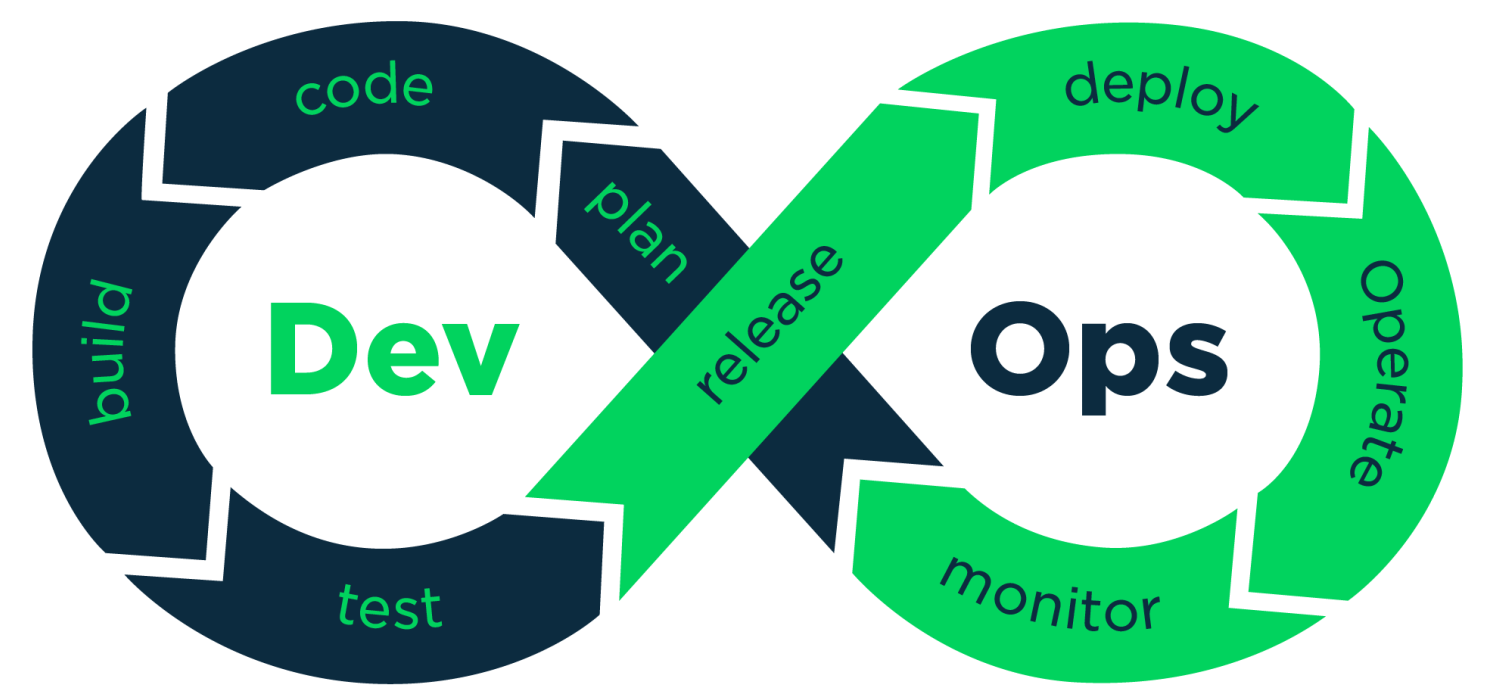
A technology‑aware software tool provides several key benefits:
- Helps engineers quickly learn the legacy knowledge from previous technologies
- Enables engineers to absorb leading‑edge technology more effectively
- Speeds up computational workflows
- Ensures work is performed in a standardized manner
- Standardizes data by serving as a de facto specification
- Needs continuous improvement as the technology evolves, with pros and cons.
Applied Statistics
AI-assisted Semiconductor Development ….
Related Posts below (or view All Articles)
Categories = “Data Science, AI-powered, Applied Statistics”

Optuna Metric Projection
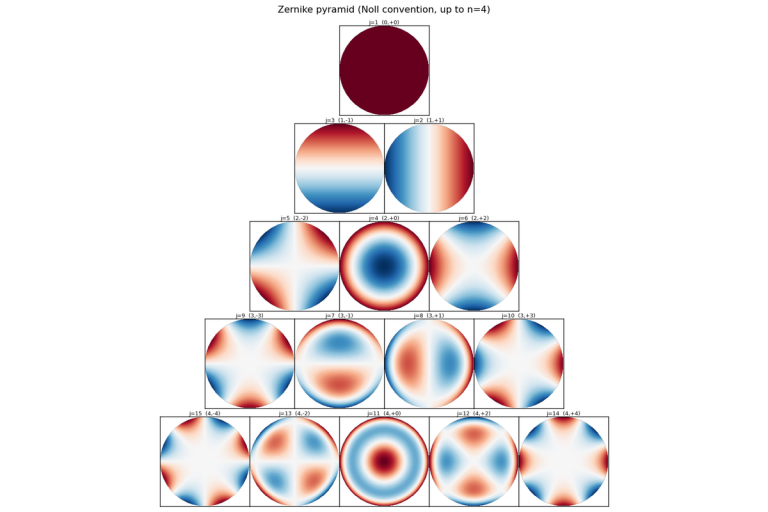
Wafer Level Zernike Polynomials
A Taxonomy of Manufacturing Big Data: Integrating Machine and Human Data

Python ML Pipeline Reproducibility — Field Notes

An Introductory Survey on Polynomial Machine Learning: Taxonomic Axes and Hierarchical Levels
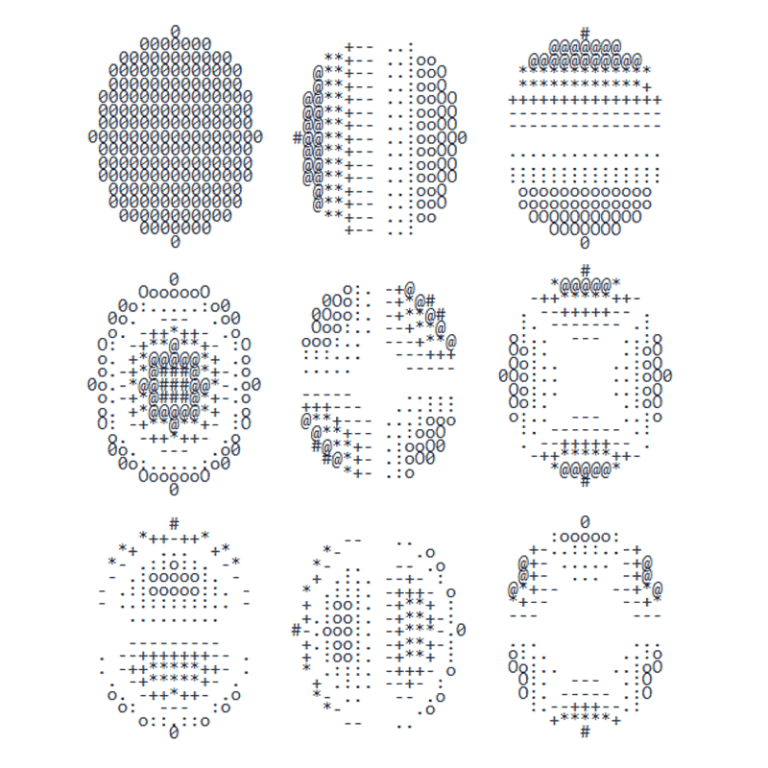
Modeling Thickness Variation in Semiconductor Thin-Film Processes — A Spatial Decomposition Approach to Machine Learning (ML)

Are Missing-Path Samples in Tree-Based Models OOD?

A Taxonomy of ML Model Failures in the Training-Testing Gap

Why Raw Vectorization Is the Right Choice for Ultra-Short Time Series (T ≤ 10)

Missing Values and Unknown Categories in Gradient Boosting Libraries

Noise-Induced Instability in Tree-based Feature Selection: Root Causes and Robust Countermeasures